



The Cave of Hira is one of the most important places in Islamic history. Before going into details, it is helpful to understand that this small cave is not just a natural space on a mountain. It holds deep meaning because of what happened there. For Muslims, it is strongly connected to the beginning of the Quran and the early life of the Prophet Muhammad PBUH.
It is placed on Jabal al-Nour, which means "Mountain of Light," and the name already gives a soft and peaceful feeling.
This cave is very special because it is the exact place where the first message of the Quran came down. Because of this event, the cave is now a very important part of Islamic history. People also come here for reflection. So, it is not just a place to see, but a place to feel something inside.
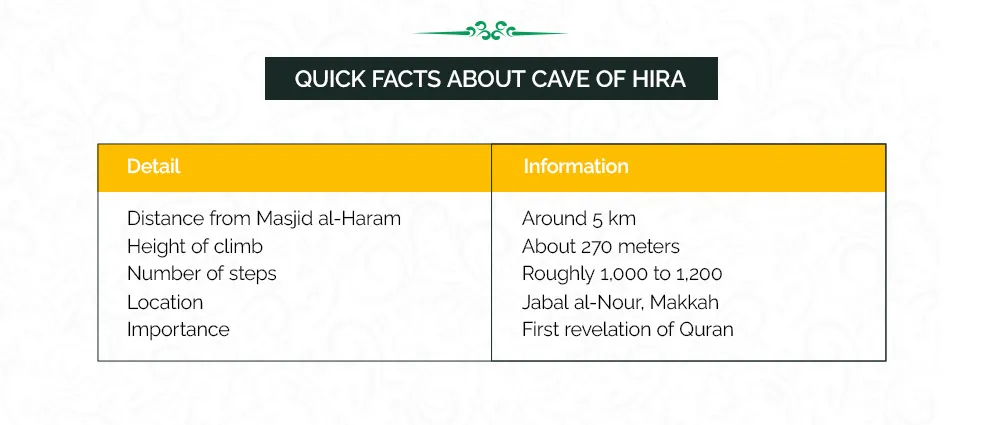
These small details may look simple, but when someone actually climbs those steps, it feels like a real journey full of effort and meaning.
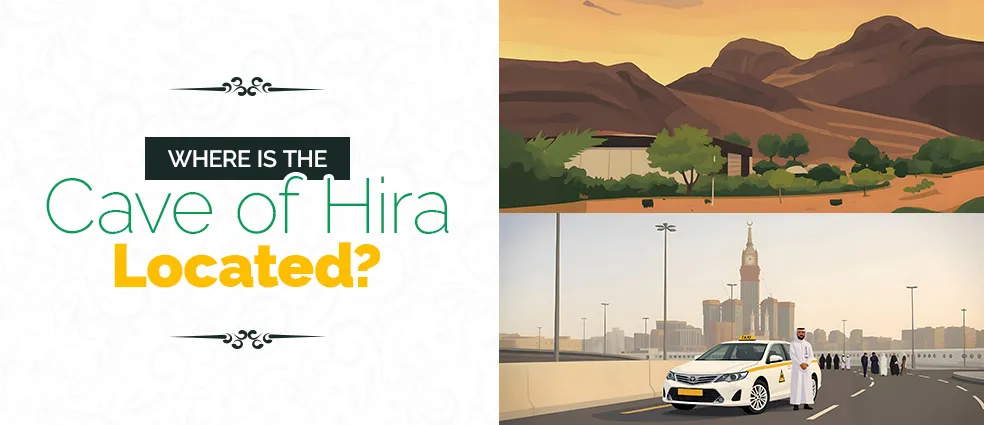
Before planning a visit, it is important to know exactly where the cave is and how people reach it. The location is not inside the busy city area. However, it is still close enough for pilgrims and visitors to travel there without much difficulty. The mountain setting also makes the journey feel more natural and peaceful.
The Cave of Hira is located on top of Jabal al-Nour, which sits on the northeast side of Makkah. This area is not inside the crowded center, but it is still close enough for people to reach easily. The mountain rises in a rough and rocky way, and it looks strong, almost like it is protecting the cave sitting at the top.
Getting there is simple if planned well. Most people start from Masjid al-Haram and take a taxi. Some visitors choose guided tours, which means going with a group and a guide who explains everything and helps along the way. After reaching the base, there is no road for cars. So, the rest of the journey is done by walking and climbing.
Pilgrims who come for Umrah often add this visit to their plan. However, visiting the cave is not part of its required steps. Still, many people visit because of its peaceful environment and deep historical value. It becomes a personal and meaningful experience rather than a required act.
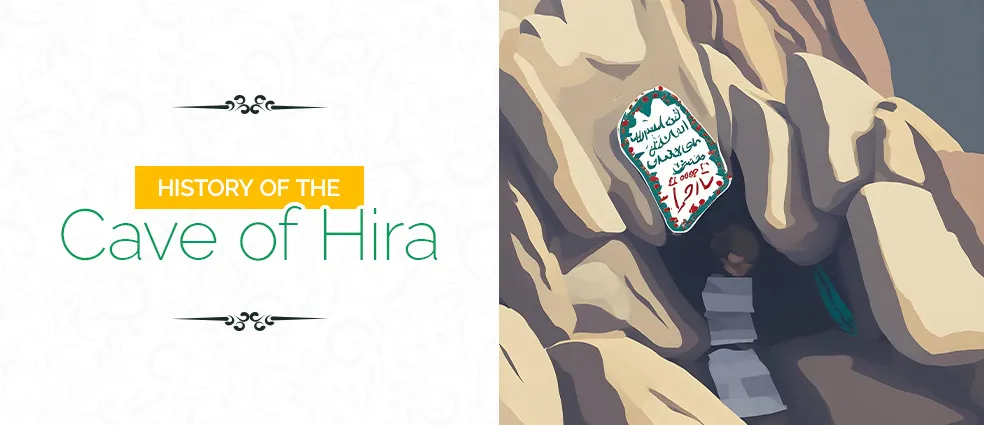
To really understand the importance of this cave, it is necessary to look at its history. This is where one of the most important moments in Islam took place. It is not just a story, but a turning point that changed the direction of human history for Muslims.
When Prophet Muhammad was around 40 years old, he began to spend more time away from people. He noticed that society around him had many wrong practices, like idol worship, which means praying to statues instead of one God. This made him think deeply and search for the truth.
During this time, he practiced something called Tahannuth. This is a simple idea but with deep meaning. It means staying away from distractions and focusing only on worship and thinking about Allah. It is like stepping away from noise and giving full attention to your heart and thoughts.
One night, while he was inside the cave, Angel Jibreel appeared. This moment was powerful and serious. The angel told him to read, but he replied that he could not read. Then the first verses of Surah Al-Alaq were revealed. These words began with "Iqra," which means "Read," marking the start of the Quran.
This event became the starting point of Islam. Not in a palace or big city, but inside a small cave. That is what makes it so unique and meaningful. It shows that big changes can begin in simple places.
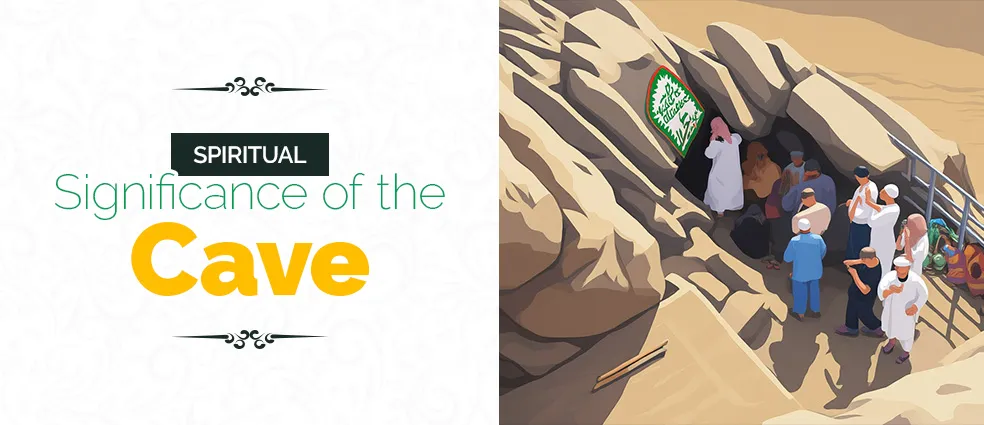
The Cave of Hira is not only important because of its history, but also because of its deep spiritual meaning. Many people feel a strong emotional and peaceful connection when they think about this place. It reminds visitors about faith, patience, and reflection.
The Cave of Hira is where the mission of Prophet Muhammad PBUH began. His mission was to spread the message of Allah to all people, guiding them toward truth and goodness.
This cave is directly connected to the Quran because its first words came from here. The Quran is the holy book of Islam, and this place holds the memory of its beginning. That makes it very special for anyone who wants to feel closer to that history.
Moreover, the cave also stands as a symbol of solitude and reflection. Solitude means being alone in a peaceful way, not feeling lonely but feeling calm. This place reminds people that sometimes quiet moments can bring the clearest understanding.
Lastly, it is very important to know that visiting this cave is not required for Hajj or Umrah. There are structured acts of worship with fixed steps in Hajj and Umrah. However, the cave is not one of them. So, missing it does not affect the journey. Visiting is optional, meaning it is your choice.
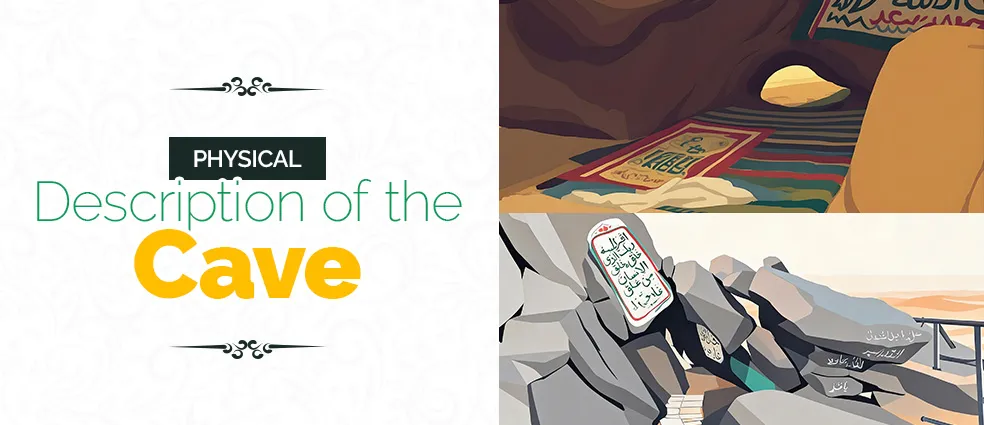
Understanding how the cave actually looks helps visitors imagine the experience before they go. It is not a large or decorated place, but a very simple natural space that carries deep meaning. Its size and surroundings make it feel peaceful and isolated.
The Cave of Hira is very small, around 3 to 4 meters deep. It is not wide or open like big caves seen in movies. The entrance is narrow, so people have to bend slightly to enter.
Inside, the cave can fit around 4 to 6 people. This makes it feel close and personal. It is not crowded, but also not spacious. The small size adds to its quiet and focused feeling.
Moreover, the cave faces toward Makkah. So from the top, visitors can see parts of the city below. The view is wide and open, especially when the weather is clear.
Lastly, the environment feels calm and silent. There are no loud sounds, just wind and stillness. The higher you go, the more distant the world feels. This creates a strong sense of peace and focus, making it easier to reflect.
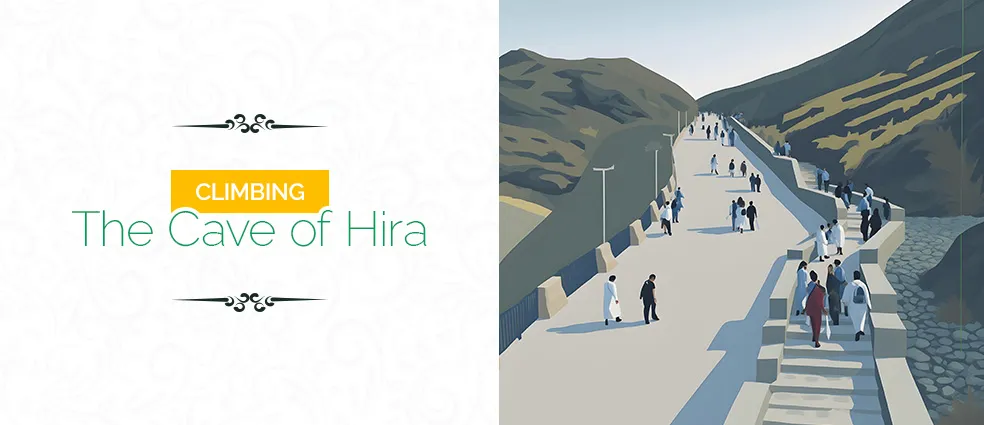
Before starting the climb, it is important to understand that this journey is not an easy walk. It is a real physical effort. But at the same time, it feels meaningful and peaceful. Many people say the climb is tiring for the body but calming for the heart. This is because every step brings them closer to a very special place in Islamic history.
Climbing up to the Cave of Hira is not like walking in a flat park. It is considered moderate to difficult. This means it needs effort, patience, and steady breathing. It requires strength and focus. This is especially true for people who are not used to walking uphill for long periods.
Most visitors take around 1 to 3 hours to reach the top of Jabal al-Nour. The time can change depending on how fast someone walks and how many breaks they take. Some people move slowly and rest often, while others climb at a steady pace. Both ways are fine, as long as the person listens to their body and does not rush.
The path to the cave is made of uneven stone steps and natural rocky ground. The natural surface of the land is rough in many places. Some steps are well-made, while others are irregular and tricky. This is why careful walking is very important, especially during crowded or hot times.
To make the climb safer and easier, a few simple habits can really help:
These small actions may look simple, but they make a big difference during the climb.
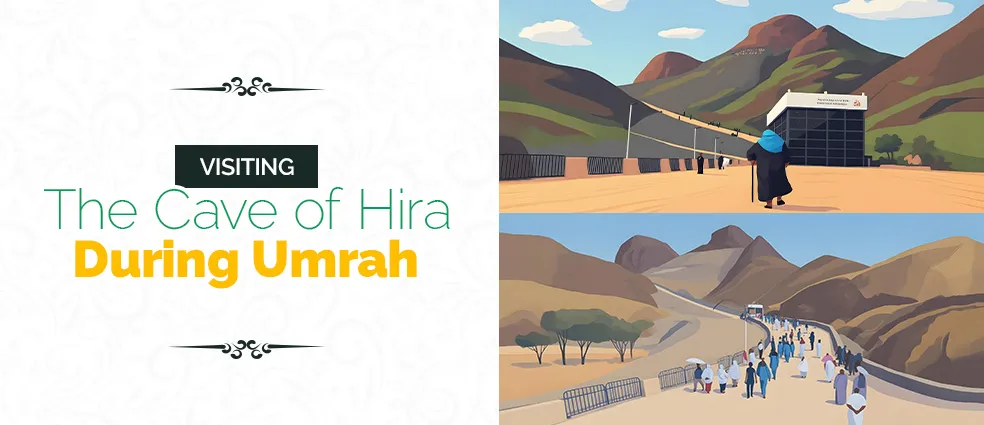
For many pilgrims, visiting the Cave of Hira during Umrah is a very emotional and memorable experience. Even though it is not part of the required rituals, people still choose to go because of its deep connection with Islamic history. The journey itself feels like a mix of physical effort and spiritual reflection.
A visit usually follows a simple flow. First, pilgrims start from Masjid al-Haram, where most stay or visit during Umrah. From there, they take a short taxi ride to the base of Jabal al-Nour. After reaching the bottom, the walking journey begins, as no vehicles go up the mountain.
The best time to begin climbing is early morning, especially around Fajr time. At this time, the weather is cooler and more comfortable. Climbing during midday is harder because the sun becomes strong and the heat increases quickly.
Along the way, there are small resting spots where people can pause and recover. These are simple flat areas where pilgrims sit for a few minutes before continuing. Resting is very normal and even recommended because it helps the body regain energy and prevents exhaustion.
After reaching the top and spending some time near the cave, it is better not to stay too long. Returning before it gets dark or too hot is safer. The descent may feel easier. However, it still requires caution because the rocky path can be slippery.
Over time, the climbing path has improved. Some areas now have better steps and clearer walking routes. These changes help visitors move more safely compared to earlier times, although the natural roughness of the mountain still remains.

Before visiting the Cave of Hira, a little preparation can make the experience much better. Many people underestimate the climb. However, simple planning helps avoid tiredness and discomfort. These tips are easy to follow and make the journey smoother.
Firstly, the right shoes are very important for this climb. Comfortable shoes mean footwear that fits well and has a strong grip. Good shoes help prevent slipping on rocky paths and reduce foot pain during long walking hours.
Water is essential because climbing makes the body lose fluids through sweating. Staying hydrated means keeping enough water in the body so it does not feel weak or dizzy. Light snacks like biscuits or fruit also help maintain energy during breaks.
Moreover, climbing in strong sunlight can be very difficult. Midday heat means the hottest part of the day when the sun is directly overhead. Early morning or late afternoon is much better because the temperature is cooler and more comfortable.
The Cave of Hira is not just a tourist spot. It is a sacred place in Islamic history. Visitors should keep the area clean, avoid loud talking, and not damage or mark the rocks. Respecting the place helps maintain its peaceful atmosphere for everyone.
Lastly, for elderly people or those with health conditions, the climb can be challenging. It requires steady balance and physical strength. If someone feels unsure, it is completely fine not to climb. The intention matters more than the physical visit.
|
Tip |
Why It Matters |
|
Wear good shoes |
Prevent slipping |
|
Carry water |
Avoid dehydration |
|
Start early |
Avoid heat |
|
Take breaks |
Save energy |
|
Respect site |
Maintain spiritual value |
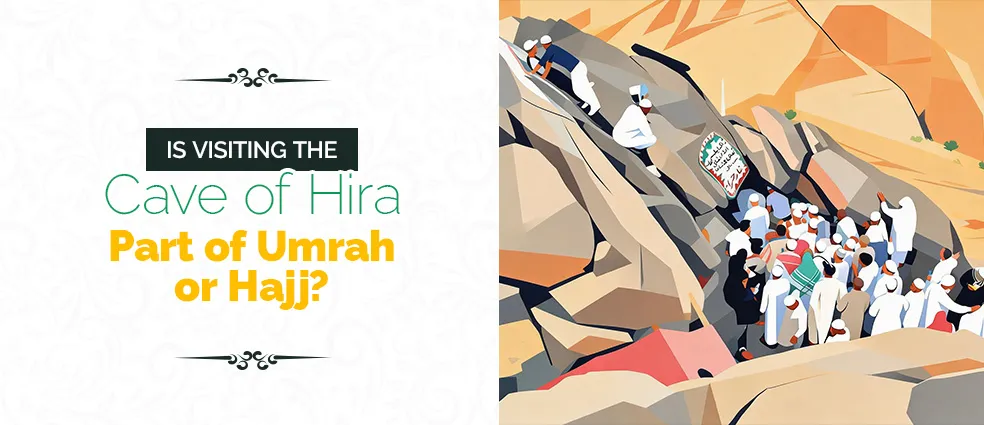
This is one of the most common questions asked by pilgrims. Many people assume it might be part of the rituals. However, it is not. The purpose of visiting the cave is actually very simple and clear when understood properly.
People visit the cave for Ziyarat, which means visiting a place for respect, reflection, and spiritual feeling. It is not an official ritual. Ziyarat is optional, meaning it is something a person chooses to do, not something required.
Some people believe that not visiting the cave affects their Umrah or Hajj, but this is not correct. The main rituals are separate and complete on their own. The cave visit is simply an additional spiritual experience for those who wish to go.
Before making a decision, it helps to understand that this visit is more about personal feeling than obligation. It is a place that connects deeply with Islamic history, but it is not required in any religious rule. Still, many people find it unforgettable once they go.
Visiting the cave allows people to connect with a very important moment in Islamic history. Standing in the place where the first revelation came can feel powerful and emotional. It gives a chance to reflect, think quietly, and feel closer to faith in a real environment.
Even though the visit is optional, it can still become one of the most meaningful parts of a pilgrimage. It is encouraged for those who want a deeper experience beyond the main rituals.
First-time visitors may feel unsure about the climb, so going with a guided group can help a lot. Guided tours provide support, direction, and safety. Many trusted services, including Umrah agencies like Bismillah Tours, help pilgrims experience the visit in a smooth and organized way.


 Call Me Back